Databricks Data Engineer Associate (2025): a study guide
During the month of June this year, I successfully passed the Databricks Certified Data Engineer Associate exam with a high score.
Why I Wrote This Guide (and Who It’s For)
During the month of June this year, I successfully passed the Databricks Certified Data Engineer Associate exam with a high score. In this guide, I’ll walk you through the most effective study strategies, tools, and resources that helped me prepare — updated for the 2025 version of the exam.
I want to highlight that this study guide is intended for individuals with real, hands-on experience with the platform. In my case, I have over two years of experience developing batch and streaming data pipelines using Workflows, DLTs (now called Pipelines), Python wheels, and managing all these resources through Terraform. I also have experience working with data catalogs, SQL queries, data governance practices, privilege management, and more.
That said, I don’t want to discourage anyone from taking the exam. You don’t need this level of experience to succeed. However, if you’re new to the platform, you should definitely go through hands-on training to become familiar with Databricks Data Intelligence Platform before attempting the exam.
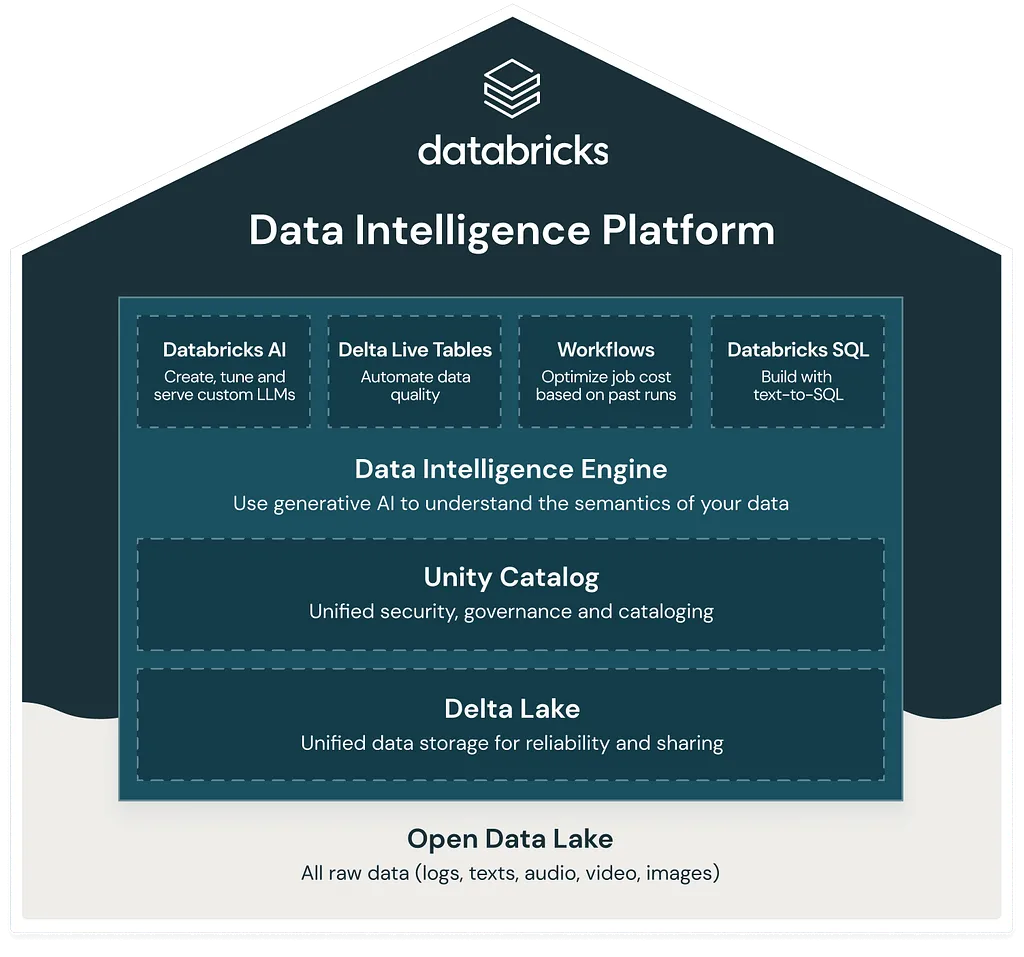
This guide does not focus on hands-on practice itself, but rather on how to prepare for the exam. It will be especially useful if you already have some experience.
What to Expect on the Certification Exam
The exam covers:
-
Databricks Lakehouse Platform — 24%
-
ELT With Spark SQL and Python — 29%
-
Incremental Data Processing — 22%
-
Production Pipelines —16%
-
Data Governance — 9%
Assessment Details:
-
**Total number of questions:**45
-
**Time limit:**90 minutes
-
**Question types:**Multiple choice
-
Passing score: 70%
Carefully read all the sections in the following link: https://www.databricks.com/learn/certification/data-engineer-associate
My Preparation Strategy
When preparing for the Databricks Certified Data Engineer Associate (2025) exam, I followed a structured and focused study plan. Here’s a breakdown of the four key steps that helped me stay on track and build the necessary confidence:
1. Searching the Internet for Study Guides
My first step was simply exploring the internet to find relevant and up-to-date study guides. I came across many scattered resources, but one stood out for its clarity and completeness: 👉 How I Scored 95% on the Databricks Data Engineer Associate Certification: A Comprehensive Guide (2023)
This article provided a solid foundation and inspired me to create this updated version for the 2025 exam, reflecting recent changes and my own learning journey.
2. Reviewing the Official Exam Guide
Next, I reviewed the official documentation provided by Databricks. The Getting Ready for the Exam guide is an essential resource, outlining the exam structure, topic areas, and example questions: 📄 Official Exam Guide (2025)
If you’re serious about passing, don’t skip this. It helps you understand not only what to study, but also how questions are phrased and what skills are emphasized.
3. Diving into Databricks Academy
With the outline in mind, I turned to Databricks Academy — a learning platform that offers comprehensive training resources for everything related to Databricks. For this exam, I focused exclusively on the curated Learning Plan for Data Engineers.
📚 Look for: Data Engineer Learning Plan (You can access it once logged into Databricks Academy).
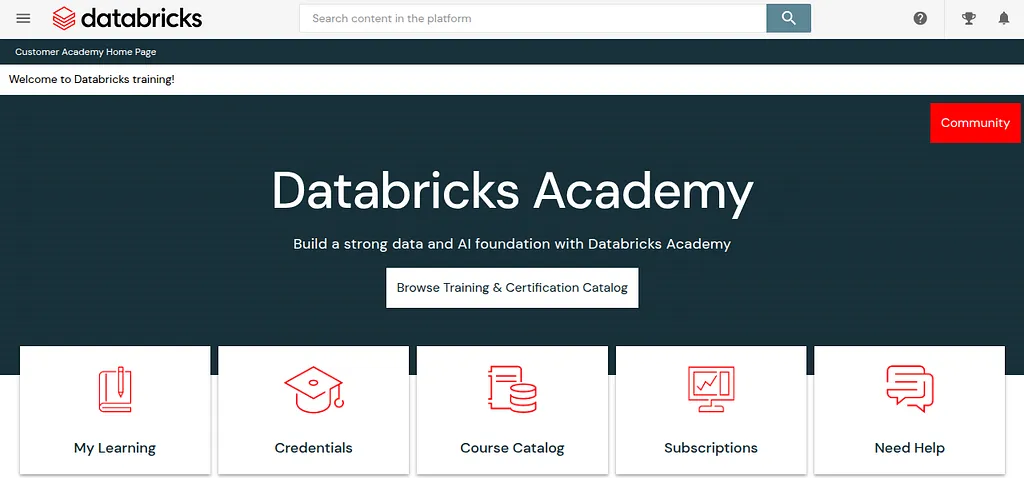
The Order in Which I Took the Courses:
-
Preparing for Databricks Certification Exams ✅
-
Data Ingestion with Delta Lake ✅
-
Deploy Workloads with Databricks Workflows ✅
-
Build Data Pipelines with Delta Live Tables ✅
-
Data Management and Governance with Unity Catalog ✅
And finally, I recommend revisiting 1. Preparing for Databricks Certification Exams. In that section, you’ll also find an explanation of the tool used to take the exam. Databricks uses the Webassessor platform to manage and administer certification exams: 👉 https://www.webassessor.com/databricks
For those of us with hands-on experience on the platform, these videos might not reveal anything entirely new — but they do help you revisit resources and concepts you might not use every day or haven’t touched in a while.
In my case, there were also some concepts I had grown used to calling differently in my daily work. These videos helped me recall the exact terms and formal definitions, which is important because that’s how the concepts are presented in the exam.
💡 Tip: I recommend going through these videos while taking notes, creating a summary, and revisiting the corresponding sections directly in the Databricks platform.
4. Practicing with Realistic Mock Tests
Once I had reviewed the official materials and gone through the learning plan, I shifted my focus to real exam simulations. This step was key to building confidence and identifying any weak spots in my understanding.
Databricks provides a few example questions in their official exam guide, but to truly simulate the test experience, I highly recommend using third-party mock exams with full question sets.
Here are some reliable sources I used:
These resources allowed me to:
-
Practice with realistic multiple-choice and multiple-select questions
-
Simulate exam timing to manage stress and time pressure
-
Measure my accuracy rate to track progress
-
Identify the topics and question formats I needed to improve on
💡 Tip: Take these mock tests as if they were the real exam. Time yourself strictly, don’t look up answers midway, and review all incorrect responses at the end. This will sharpen both your technical knowledge and test-taking skills.
My personal approach:
👉 Take as many mock exams as you can. I personally completed over 20 practice tests.
Don’t panic when questions get tough or unfamiliar — it’s part of the learning process. With each attempt, you’ll notice your understanding deepens and your confidence grows.
Once you’ve completed several full-length tests, go back and review every incorrect answer one by one. Focus on the why behind each mistake and revisit the topics you’re struggling with. This targeted review is where a lot of real learning happens.
Conclusion
Preparing for the Databricks Certified Data Engineer Associate (2025) exam is a valuable learning experience in itself. Whether you’re aiming to validate your existing skills or open doors to new opportunities, this certification demonstrates that you understand the core principles of building and maintaining data workflows on the Lakehouse platform.
My advice: focus on understanding the concepts, get comfortable with the tools, and practice as much as you can. The more familiar you become with how Databricks frames its questions — and how the platform works behind the scenes — the more confident you’ll feel on exam day.
Finally, remember that passing the exam is not the end goal — it’s a milestone. What truly matters is how you apply this knowledge in real projects, with real teams, and continue growing as a data engineer.
Good luck — and feel free to reach out if you have questions or want to share your own journey!
Thanks for reading!